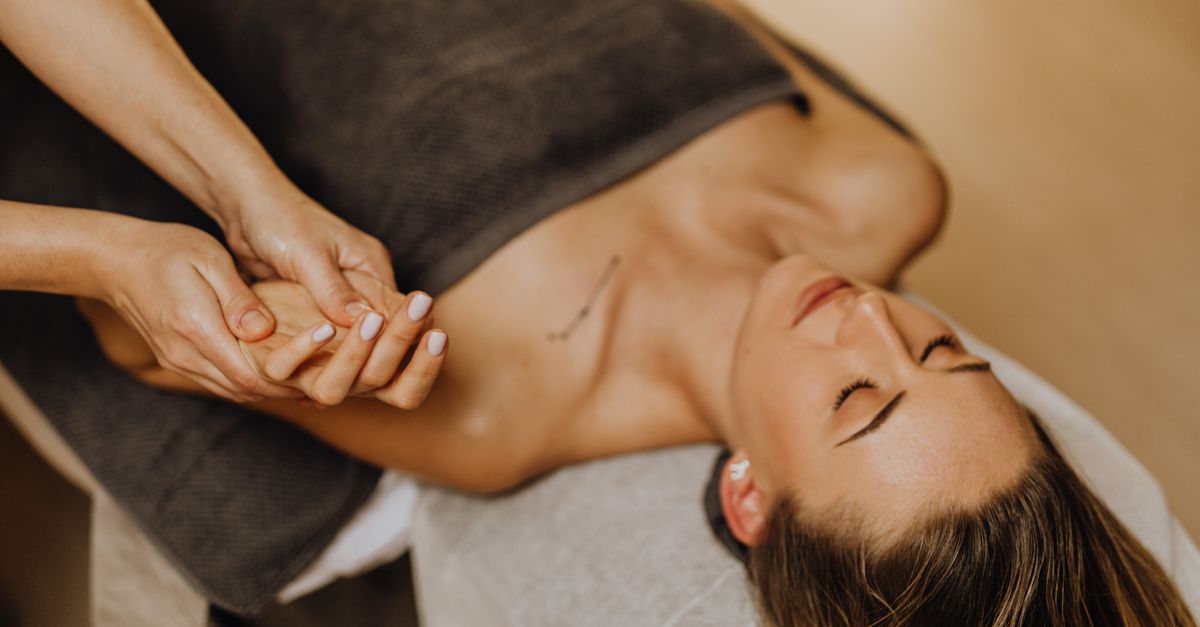
Unwind and Rejuvenate with Exclusive Signature Spa Experiences
Table Of Contents
The Role of Aromatherapy in Spa Treatments
Aromatherapy plays a crucial role in enhancing the overall effectiveness of spa treatments. The use of essential oils in various therapies contributes not only to physical relaxation but also to mental well-being. Different scents can evoke specific emotional responses, creating a holistic experience that allows guests to escape their daily stressors. Clients often report a heightened sense of relaxation and rejuvenation after a session that integrates aromatherapy elements.
The selection of essential oils during treatments is tailored to individual needs and preferences. Lavender is famous for its calming properties, while eucalyptus is often chosen for its invigorating and refreshing qualities. These natural scents can be combined with various techniques, such as massage or breathing exercises, to deepen relaxation and promote healing. Choosing the right aroma can transform a standard spa experience into a soothing journey for the senses.
The Power of Scents for Relaxation and Healing
Scents have a profound ability to influence our emotions and physical state. Aromatherapy leverages this connection by using essential oils derived from plants to promote relaxation and healing. When inhaled, these fragrances can trigger responses in the brain, enhancing mood and alleviating stress. For many, the gentle notes of lavender or the refreshing zing of citrus create an immediate sense of calm. Spa treatments designed with aromatic elements not only nurture the body but also soothe the mind, fostering a holistic approach to wellness.
The therapeutic properties of various scents contribute significantly to the overall effectiveness of spa experiences. Different essential oils offer unique benefits that cater to individual needs. Eucalyptus, often praised for its invigorating effects, aids in respiratory health and mental clarity, while chamomile is revered for its calming qualities, reducing anxiety and encouraging restful sleep. By incorporating these fragrant oils into spa rituals, practitioners can enhance clients' journeys toward relaxation and healing, making each experience both memorable and restorative.
Essential Oils
Nature provides a diverse array of essential oils, each featuring unique properties beneficial for both body and mind. Oils such as lavender, eucalyptus, and peppermint have long been celebrated for their ability to promote relaxation, support respiratory health, and invigorate the senses. These concentrated plant extracts can be blended into treatments or used in diffusers to enhance the overall spa experience. Each oil carries its own distinct aroma and therapeutic effect, allowing spa-goers to tailor their experience according to personal preferences and wellness goals.
Understanding the specific benefits of different essential oils can significantly enhance the efficacy of spa therapies. For example, tea tree oil is renowned for its antiseptic qualities, making it a popular choice in skin care treatments. Conversely, chamomile oil is favoured for its calming properties, ideal for stress relief. The integration of these oils into massages, facials, and baths not only contributes to physical well-being but also nurtures emotional balance, reinforcing the holistic approach to health that spas offer.
Understanding Different Oils and Their Benefits
Essential oils have been used for centuries for their therapeutic properties. Each type offers unique benefits, making them valuable in wellness practices. Lavender oil is renowned for its calming effects, often used to aid sleep and reduce anxiety. In contrast, eucalyptus oil is favoured for its invigorating and cleansing properties, helping to relieve respiratory issues and promote mental clarity.
Other oils, such as tea tree and peppermint, also play significant roles in spa treatments. Tea tree oil is celebrated for its antibacterial and antifungal qualities, making it a staple in skin care regimens. Peppermint oil, with its refreshing aroma, not only revitalises but also helps relieve headaches and digestive discomfort. Understanding the distinct characteristics of these oils allows spa practitioners to tailor treatments for individual needs effectively.
The Impact of Spa Ambience on Relaxation
A tranquil setting significantly enhances the overall spa experience. Soft lighting, soothing colours, and gentle music create a peaceful atmosphere. Elements such as water features and natural textiles contribute to a multisensory environment. This combination helps to reduce stress levels and promote relaxation, making it easier for clients to disconnect from their daily concerns.
The importance of controlled temperature and scent cannot be overstated in establishing a calming space. Warmth envelops visitors in comfort while a subtle fragrance lingers in the air, drawing attention to the therapeutic qualities of the treatments offered. Every detail, from the placement of furnishings to the choice of decor, plays a crucial role in crafting a serene retreat. Crafting this ambience allows individuals to fully immerse themselves in the rejuvenation process.
Creating a Serene Environment for Ultimate Comfort
The ambience of a spa plays a crucial role in enhancing the overall relaxation experience. Soft lighting, calming music, and natural materials contribute to creating a tranquil space. Water features, whether in the form of fountains or gentle streams, add a soothing aural backdrop that encourages a feeling of peace. Incorporating elements of nature, such as plants or stone, reinforces a connection to the earth that can further assist in unwinding the mind.
Temperature settings are equally important in fostering comfort. A warm, inviting atmosphere allows visitors to relax fully without discomfort. It is ideal to maintain a consistent indoor climate that complements the luxurious experience of spa treatments. By paying attention to these sensory details, the environment transforms into a sanctuary for rejuvenation and healing, allowing individuals to escape the stresses of daily life and immerse themselves in restorative tranquillity.
FAQS
What are exclusive signature spa experiences?
Exclusive signature spa experiences are unique, tailored treatments that incorporate specialised techniques, high-quality products, and personalised services designed to provide ultimate relaxation and rejuvenation.
How does aromatherapy enhance spa treatments?
Aromatherapy enhances spa treatments by using essential oils to promote relaxation, reduce stress, and improve overall well-being. The power of scents can elevate the mood, soothe the mind, and support physical healing.
What are essential oils, and how are they used in spas?
Essential oils are concentrated plant extracts that capture the natural fragrance and therapeutic properties of plants. In spas, they are used in various treatments such as massages, facials, and baths to enhance the overall wellness experience.
How do I choose the right essential oil for my needs?
Choosing the right essential oil depends on your specific needs and preferences. For relaxation, lavender and chamomile are excellent choices, while eucalyptus and peppermint may help with respiratory issues. Consulting with a spa professional can also guide you in selecting the best option.
What should I expect during a signature spa experience?
During a signature spa experience, you can expect a personalised consultation, tailored treatments, and a focus on creating a calming environment. The experience may include a combination of massages, aromatherapy, and skin treatments to help you unwind and feel rejuvenated.
Related Links
A Complete Guide to Signature Spa Retreats: What to ExpectIndulge in a Unique Signature Spa Retreat on the Gold Coast
Immerse Yourself in Holistic Healing at the Best Signature Spa Retreats
Explore Nature with Signature Spa Retreats Featuring Outdoor Elements
Luxurious Signature Spa Retreats Perfect for Your Next Escape